
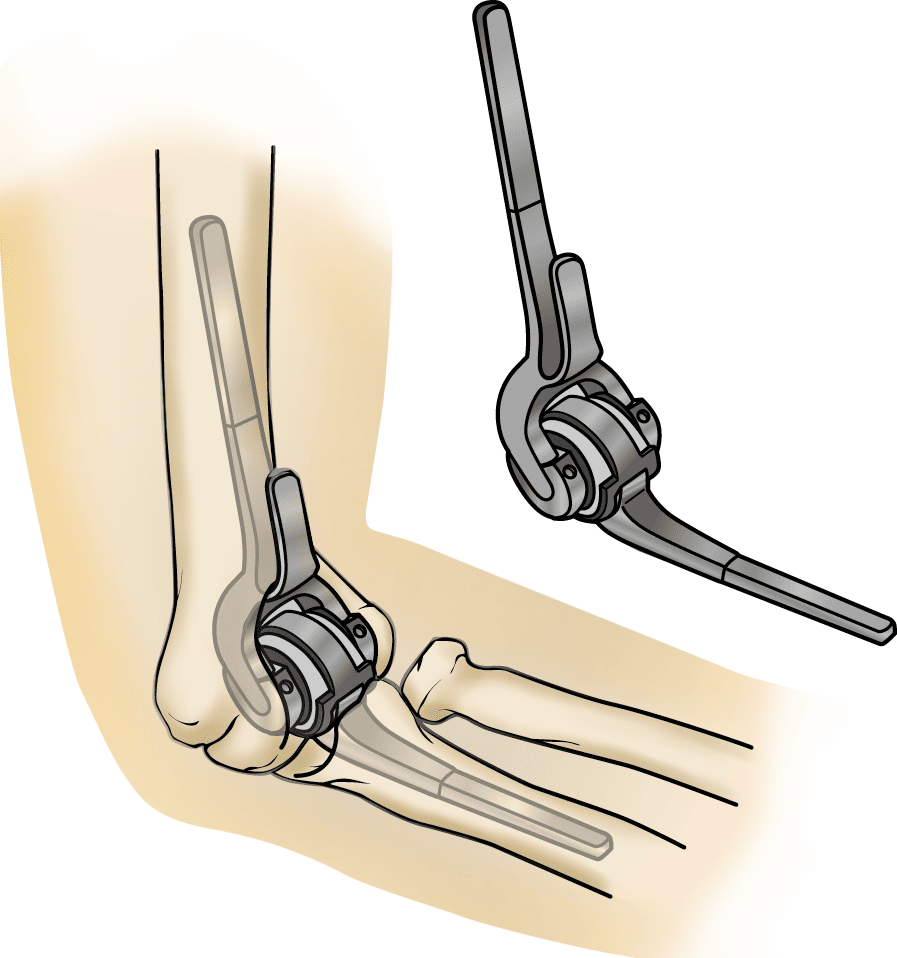
Elbow replacement surgery, also known as elbow arthroplasty, is a procedure in which damaged portions of the elbow joint are removed and replaced with specially designed prosthetic components. The primary goal of surgery is to reduce pain, improve joint function, and help restore useful movement of the arm.
The elbow is a complex joint formed by the meeting of three bones: the humerus in the upper arm, and the radius and ulna in the forearm. These bones work together to allow bending, straightening, and rotation of the forearm. Damage to any of these structures can affect elbow movement and everyday activities.
Advances in implant design, surgical techniques, and postoperative rehabilitation have improved the outcomes of elbow replacement surgery. However, elbow replacement is a specialized procedure and is generally considered when significant joint damage cannot be adequately managed with other treatment options.
The elbow joint may become severely damaged due to arthritis, fractures, trauma, or other conditions. Depending on the extent of damage, some problems can be treated with medication, physiotherapy, injections, or reconstructive surgery. When the joint is severely damaged and these treatments are no longer effective, elbow replacement may be considered.
Persistent pain, restricted movement, joint instability, and difficulty performing routine activities are among the common reasons for considering elbow replacement surgery.
Conditions that may cause significant elbow joint damage include:
The expected benefits of elbow replacement depend on the underlying condition and overall health of the joint. Surgery may help reduce persistent pain, improve elbow movement, enhance stability, and make everyday activities easier to perform.
Before surgery, a detailed orthopedic assessment is performed to understand the extent of joint damage and determine whether elbow replacement is appropriate. Clinical examination and imaging studies such as X-rays, and other investigations when required, help in planning the procedure and selecting the appropriate implant.
Elbow replacement is a specialized surgical procedure. The type of implant and surgical approach are selected according to the patient's condition, bone quality, joint stability, and functional requirements. A structured rehabilitation program following surgery is important for gradually restoring movement and function.