
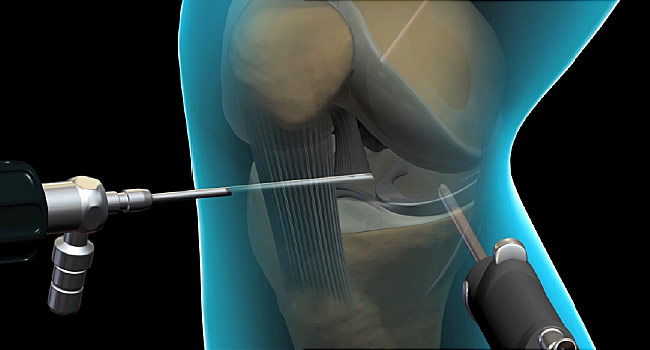
Knee arthroscopy is a minimally invasive surgical procedure used to examine, diagnose, and treat a variety of conditions affecting the knee joint. The procedure is performed through small incisions around the knee using a specialized camera called an arthroscope.
The arthroscope provides a magnified view of the internal structures of the knee, including the meniscus, articular cartilage, ligaments, and joint lining. This allows the surgeon to accurately identify the source of symptoms and, when required, perform treatment through small surgical portals.
Compared with conventional open surgery, arthroscopic procedures generally involve smaller incisions and less disruption to surrounding soft tissues. Depending on the procedure performed, this may allow earlier movement and a more comfortable rehabilitation process.
Knee arthroscopy may be considered when persistent pain, locking, swelling, instability, or restricted movement does not improve adequately with appropriate non-surgical treatment. The decision to perform arthroscopy depends on the patient's symptoms, clinical examination, imaging findings, age, activity level, and the underlying knee condition.
Common conditions that may be treated using knee arthroscopy include:
Before the procedure, the patient is given appropriate anesthesia based on the planned surgery and individual medical requirements. The knee is carefully prepared and sterilized to maintain a safe surgical environment.
The surgeon creates small portals around the knee through which the arthroscope and specialized surgical instruments are introduced. A sterile fluid is circulated through the joint to improve visualization of the internal structures.
The arthroscope transmits detailed images to a monitor, allowing the surgeon to evaluate the condition of the meniscus, cartilage, ligaments, and other structures. If an abnormality requiring treatment is identified, specialized instruments can be introduced through additional small portals.
Depending on the condition, the procedure may involve repairing or trimming a damaged meniscus, treating cartilage abnormalities, reconstructing a ligament, removing loose tissue, or addressing other problems identified within the joint.
Recovery varies according to the type and extent of the procedure performed. Some patients may be able to walk shortly after surgery, while others may require crutches or temporary restrictions on weight-bearing, particularly following ligament reconstruction or meniscal repair.
Physiotherapy and a structured rehabilitation program are important components of recovery. Rehabilitation may focus on reducing swelling, restoring knee movement, improving muscle strength, and gradually returning to normal activities and sports.
Mild pain, swelling, and stiffness can occur during the early recovery period. Pain management is tailored to the individual and may include prescribed medication, ice application, elevation, activity modification, and other measures recommended by the treating orthopedic specialist.
Following post-operative instructions carefully and attending scheduled follow-up appointments can help support proper healing and a safe progression of activity. The timeline for returning to work, exercise, and sports depends on the specific procedure and individual recovery.