
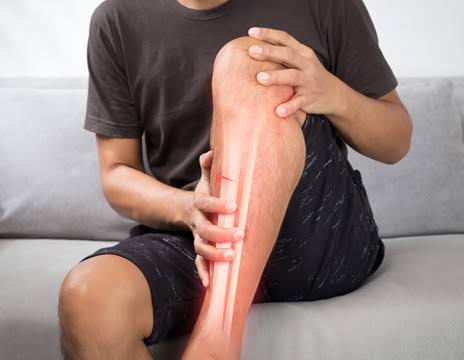
A fracture is a partial or complete break in the continuity of a bone. Fractures can occur in any bone of the body and may range from a small crack to a complex injury involving multiple bone fragments and surrounding soft tissues.
The severity of a fracture depends on factors such as the location and pattern of the injury, the amount of displacement, the force involved, and the condition of the surrounding tissues. Appropriate diagnosis and timely treatment are important for restoring bone alignment, stability, movement, and function.
Fractures can be classified according to their pattern, severity, and whether the surrounding skin and tissues are affected. Common fracture patterns include:
A fracture is considered closed when the surrounding skin remains intact. In an open fracture, the broken bone is exposed through an injury to the skin, or the fracture communicates with an open wound. Open fractures require urgent medical attention because of the increased risk of infection and damage to surrounding tissues.
The symptoms of a fracture may vary depending on the location and severity of the injury. Common signs and symptoms include:
Fractures may occur due to sudden trauma, repetitive stress, or weakened bone. Some of the most common causes include:
Fracture diagnosis begins with a detailed clinical examination and assessment of the injured area. X-rays are commonly used to identify the location and pattern of the fracture. In more complex injuries, additional imaging such as CT or MRI may be recommended to assess the bone, joint surface, and surrounding soft tissues.
Treatment is selected according to the type, location, and severity of the fracture, as well as the patient's age, activity level, bone quality, and overall health. Depending on the injury, treatment may involve immobilization with a cast or brace, fracture reduction, or surgical fixation using plates, screws, nails, or other specialized implants.
Following fracture treatment, rehabilitation and physiotherapy may be recommended to restore joint movement, muscle strength, balance, and functional mobility. Regular follow-up helps monitor bone healing and ensures appropriate progression of activity.
Severe pain, visible deformity, significant swelling, inability to bear weight, or an open wound near a suspected fracture should be evaluated promptly by an orthopedic specialist. Early assessment and appropriate treatment can help reduce complications and support optimal recovery.